
Over the years I have facilitated and observed many retrospectives. In fact, I’d struggle to guess how many I have actually taken part in! The good ones have been filled with energy, honesty, conflict, creativity and humour. The bad ones have been repetitive, shallow, uninspiring and predictable. Retrospectives are one of the easiest agile events to pick up and run with and if they're well executed, they can have an immediate effect on team productivity and morale.
View Post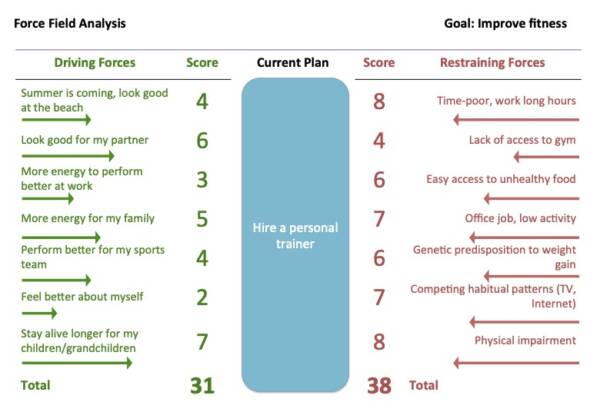
For many of us, making decisions is tough. And it’s really tough when you are a 12-year-old child who is asked to choose between studying French or German as a second language at school. Those were the demands placed on my own son this week, so I thought I would share how he and I worked through that decision-making process together.
View Post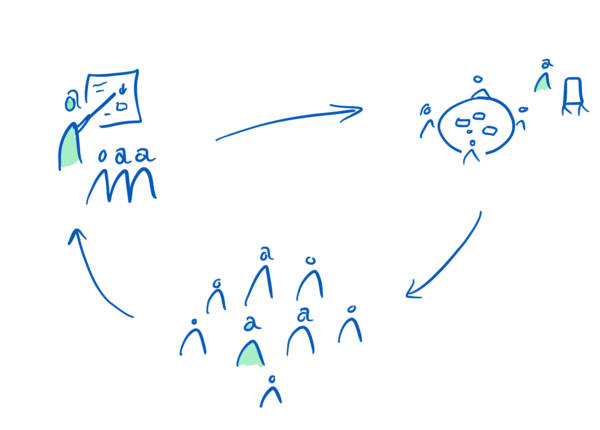
In my book I wrote about the crossovers between improvisational theatre and the world of agile coaching, and just lately I have been creating some new course materials for a new facilitation course (coming soon, watch this space!!) and I was so pleased to see so many improvisational concepts as part of the course learning objectives. I thought I would share a few of those concepts as part of a blog post for any readers out there who are looking to widen their facilitation knowledge and skills.
View Post
I thought I would diarise the event and share some of my thoughts on the time I spent at the recent Global Scrum Alliance Gathering in Lisbon over a series of short blog posts.
View Post
I thought I would diarise the event and share some of my thoughts on the time I spent at the recent Global Scrum Alliance Gathering in Lisbon over a series of short blog posts.
View Post
I thought I would diarise the event and share some of my thoughts on the time I spent at the recent Global Scrum Alliance Gathering in Lisbon over a series of short blog posts.
View Post
I thought I would diarise the event and share some of my thoughts on the time I spent at the recent Global Scrum Alliance Gathering in Lisbon over a series of short blog posts.
View Post
Not only is Billy Joel a good singer/songwriter, but I believe he is also a great storyteller.
View Post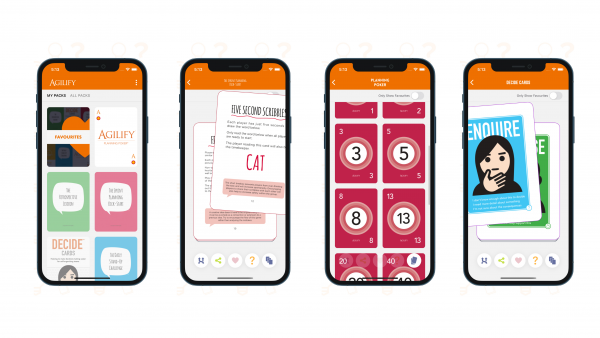
Recently I was asked to share some of my games for remote agile and scrum teams at the Agile Humans online meetup, and as the session was recorded, I thought I would share the video!!
View Post
Do you remember being set homework during the school holidays? If you had six weeks to complete six hours of homework over the summer, how long would it take you to finish it?
View Post
I thought I would share with you a simple storytelling technique I have been using in my online training sessions which has really helped my attendees engage with an online teaching environment, and also connect with their online colleagues in the process.
View Post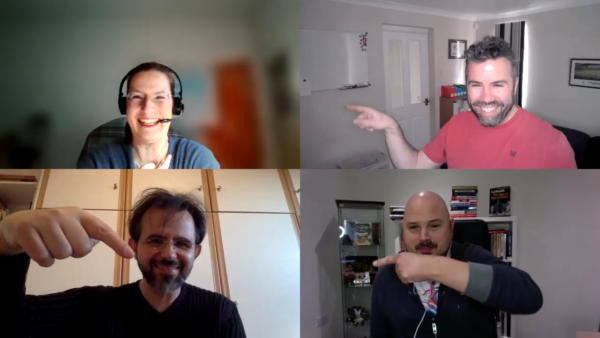
My five favourite improv games I have used in my training and coaching to add a little spark my online meetings, and I certainly think they will heighten your listening and observation skills in readiness for the online meeting you next take part in!
View Post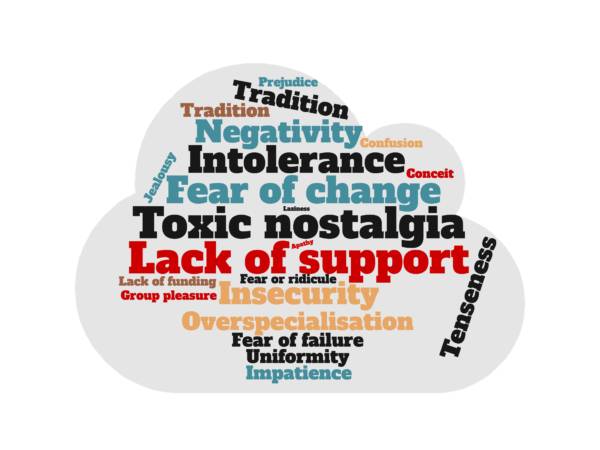
In this post, I will share a few different approaches to help you and your team diversify your thinking around the complex problems you may be trying to solve.
View Post
The “magic ratio” is 5 to 1. This means that for every negative interaction during conflict, a stable and happy relationship has five (or more) positive interactions.
View Post
A “Story Mountain” is a simple aid used in the classroom to inspire children into writing and telling a meaningful story using a five-part structure - the same structure can be used by agile teams to help set context and purpose to the sprint ceremonies.
View Post
In 1989, NBA coach Phil Jackson introduced an unconventional, untried and unknown offensive framework called “the triangle offence”. Jackson went on to coach his teams to eleven NBA championships before retiring in 2011. In 1995, Ken Schwaber introduced an unconventional, untried and unknown software development framework called “Scrum”. Scrum has since been used to help organisations all over the world deliver working software to its customers.
View Post
Within a meeting where a scrum team gathers, a good ‘hook’ can be a subject or issue that gets the teams attention and encourages emotional responses.
View Post
As the COVID-19 situation has evolved, we have had no choice but to temporarily suspend our in-person scrum training offerings around the UK. We respect the government advice on social distancing and we want to prevent the spread of this virus as best we can.
View Post
One of the most powerful exercises we run during our Advanced Certified Scrum Master (ACSM) is the Journey Lines and Top Traits exercise. I thought I would share the details of the exercise here, so you have run it with your own team.
View Post
As the news is dominated by COVID-19 we are getting questions about our stance I thought it better to write this short blog post and clarify our position on this.
View Post
As a member of the Scrum Alliance I am passing on the news that the Certified Scrum Professional (CSP) certification is changing.....
View Post
After a trip to Disneyworld I saw a lot of Pixar characters, and rode a lot of Pixar-themed rides at the parks, but I was intrigued to know more about “how” they work as a company. “The art challenges the technology, and the technology inspires the art.” – John Lasseter, Chief Creative Officer of PIXAR
View Post
Whilst storytelling is a fundamental way that humans have communicated since cavemen painted onto the wall of their caves, I don’t think we use it enough in our modern day professional lives, especially in the Scrum teams I coach.
View Post
Agilify offers training, consultancy and coaching for individuals, teams and organisations to help understand and embrace an agile approach to product delivery.